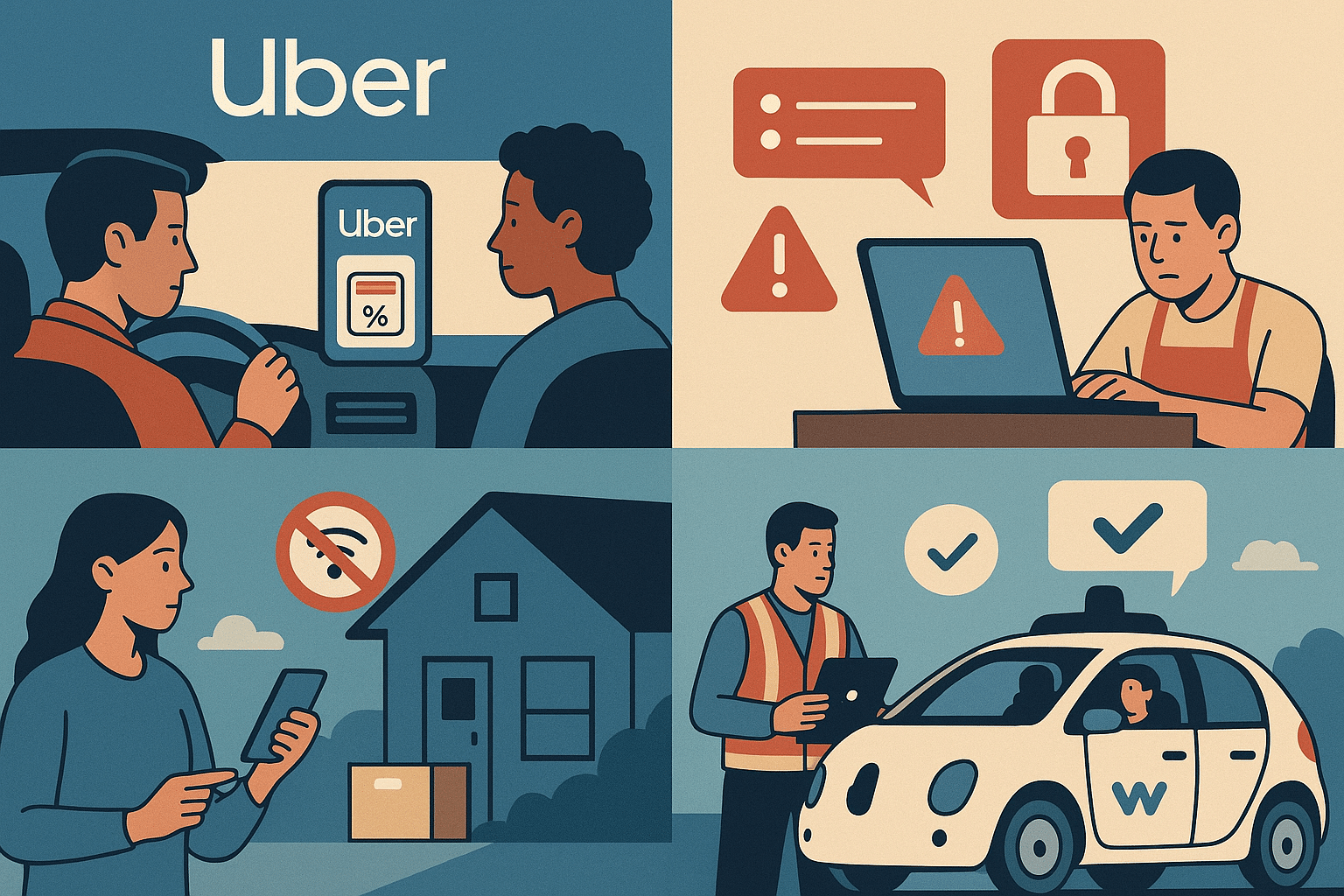
The latest wave of gig economy news shows how fast the space shifts between convenience, risk, and opportunity. We start with Uber’s expanding ad business, which now uses privacy‑screened trip insights to target promotions based on where riders go and what they do. On paper, the value proposition is clear: timely coupons tied to places you already visit and campaigns that reflect local patterns. In practice, riders worry about how much location data is inferred, while drivers wonder who benefits from ads that monetize their work with no revenue share. When ad revenue approaches billions, trust hinges on transparent policies, opt‑outs that are easy to find, and clear lines between anonymous trend data and personal behavior. Riders want relevance without surveillance; drivers want fair compensation when platforms profit off their routes.
Security concerns don’t end with ads. DoorDash account takeovers are draining restaurant payouts when attackers reset credentials and swap bank details. This isn’t a breach of DoorDash systems per se; it’s basic credential theft that exploits reused passwords and weak email security. The fix starts with non‑negotiables: unique passwords stored in a manager, mandatory two‑factor authentication on every merchant and driver account, and account‑change alerts that require out‑of‑band verification before bank info is updated. Restaurants also need daily payout reconciliations and a named owner for platform security so problems are spotted within hours, not weeks. Platforms can help by making 2FA default, requiring identity rechecks for banking changes, and proactively flagging unusual payout patterns.
At the curb, theft is getting smarter. Porch pirates are now using Wi‑Fi jammers to knock out cameras, leaving homeowners with corrupted clips and missing packages. The practical defense is layered. Hardwired cameras and local recording resist jammers better than Wi‑Fi‑only devices. Mixed networks, cameras on different bands, and backup cellular recording add resilience. For deliveries, secure options like Amazon lockers, controlled access delivery, or smart garage drop‑off cut risk by removing the package from view. Even simple tactics—setting a predictable delivery window when someone is home or using a low‑cost lockbox—shrink the attack surface. The goal isn’t perfect security; it’s stacking enough friction that your house isn’t the easy target on the block.
Autonomy brings its own surprises. A Waymo roadside tech shared how often he’s called out to close a door, unjam a seatbelt, or tidy a cabin so the car can depart. It’s a reminder that “driverless” still needs people. The real question is service quality at scale: who cleans the cars, how quickly do issues get resolved, and will platforms enforce cleaning fees so passengers don’t treat robotaxis like trash cans? Without consistent standards and accountability, the rider experience will suffer long before autonomy replaces human drivers. And in the meantime, drivers can still find value in the ecosystem—from side income like in‑car ads or even license plate scanning hardware for repo networks in dense cities—if the numbers pencil out and local laws allow it.
Culture and perception also matter. A viral clip mocked men over 30 working full‑time on Uber Eats, calling it “not a real job.” That attitude ignores economic reality and the upside of flexible work. The smarter frame is sustainability: earnings after expenses, safety, and a path to stability. Many drivers build hybrid portfolios—rideshare on busy weekends, food delivery on icy nights, retail parcel routes during holidays. Choice is the strength of the gig economy. Rather than shaming, the conversation should center on pay transparency, fair deactivation policies, and tools that help workers optimize routes, avoid risk, and upskill into better‑paid tasks. Flexibility without dignity isn’t a win; neither is stability that can’t pay the bills.
Finally, we’re watching AI creep from curiosity to utility. Instacart’s integration with ChatGPT promises to turn meal ideas into shoppable carts without app‑switching. If it’s seamless, it will normalize conversational commerce: “Plan a 30‑minute high‑protein dinner for four, under $25, and order it.” The risk is adding steps or creating a privacy tax. Done right, AI will compress decision‑making and reduce friction for shoppers and gig workers alike, surfacing clear substitutions, store‑level availability, and realistic ETAs. Done poorly, it’s one more interface between you and your groceries. The throughline across all these stories is simple: the best tech feels invisible, the best policies protect people by default, and the best platforms share value when they monetize our time and data.