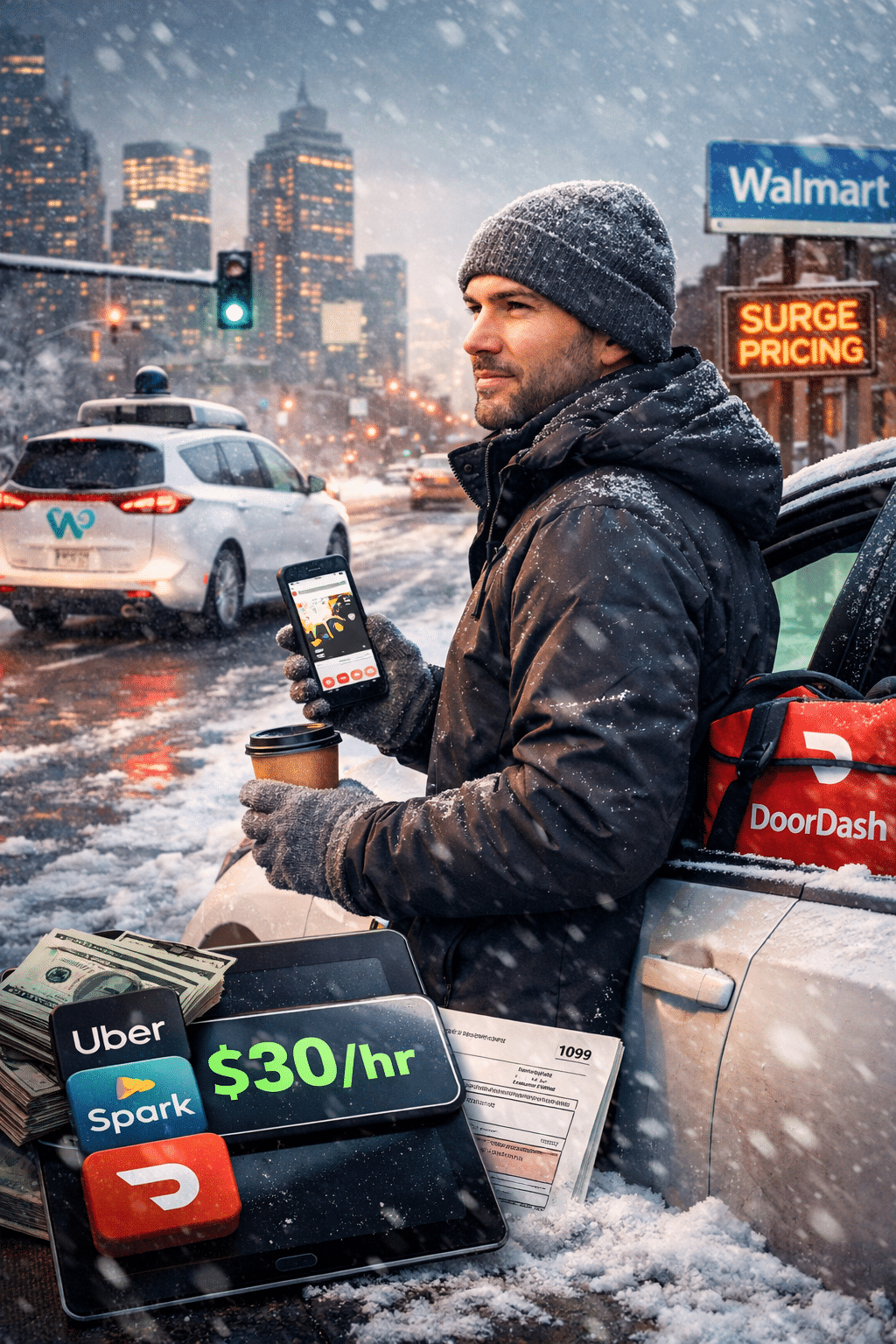
Winter set the backdrop for a wide-ranging look at gig work, from school closures and NTI policies to how drivers pivot when the world freezes up. That local chaos tied neatly into a core theme: adaptability. When weather or systems change, pros switch apps, shift hours, and choose safer routes rather than fight the tide. We walked through how daytime rides reduce drama and risk, how not to deadhead after a downtown drop, and why waiting 10 minutes in a hot zone can beat driving back empty. That small mindset shift saves time and fuel, boosting effective hourly earnings without adding stress. It also reframes slow days: you’re not stuck, you’re staging.
Payouts and platforms were next. Dovetail’s pay-for-screenshots program shut down, reminding everyone that “easy money” rarely lasts. Meanwhile Spark dangled curbside incentives that didn’t always post, reinforcing a rule: treat incentives like a bonus, not a plan. We compared short rides with strong tips against longer runs with weak add-ons and highlighted a north star for new drivers—track hourly rate across all apps, not just per-trip payouts. When you do accept a trip, treat surge and location like multipliers and skip the gut feel. Data-led choices keep you near $30 per hour more often than not.
Regulation and taxes added another layer. Platforms are splitting tips on tax statements, but guidance lags. We talked accountants, ambiguous letters, and why waiting for clarity can prevent double-taxing. Compliance cropped up again with DoorDash’s healthcare routes and Walmart’s alcohol rules, where training and certifications actually protect you. The short take: if you’re a business owner, invest in credentials that unlock higher-paying categories. The upside is more offers, less idle time, and fewer account flags.
Autonomy stole attention with Waymo’s two storylines: a low-speed child impact where braking likely beat human reaction, and a clip of a Waymo squeezing around a semi, creating a risky block. Both moments underline the transition we’re living through. Computers react faster, but they still make social mistakes. For rideshare drivers, autonomy won’t erase work soon; it will change it. Expect more value in human judgment, customer care, and edge-case handling. Meanwhile, a study shows Waymo prices sliding closer to Uber and Lyft as human rides tick up, hinting at a market where convenience and wait times decide more than novelty.
Safety and rider management rounded out the show with a tense canceled-ride standoff. Our framework: stop the car, unbuckle, secure your keys, de-escalate with clear insurance language, and call police if threatened. Never accept post-ride cash; if you must help, require immediate digital payment and still weigh the risk. Viral clips of angry couriers fueled a final point: doorbell cameras record everything. Keep your cool, even when weather, workload, or policy whiplash wears you down. The sustainable play is professionalism plus strict boundaries.
Finally, Walmart Spark’s metrics reset and tier chatter felt like a breather. Acceptance rate vanished, quantity found got simpler, and customer ratings matter more than raw acceptance. That’s healthy. It rewards accuracy, punctuality, and service over blind obedience. Across apps and seasons, the pattern holds: measure what you can control, diversify platforms, and protect your energy. The gig economy isn’t going away—it’s evolving. Drivers who treat it like a business will keep winning as the rules change.