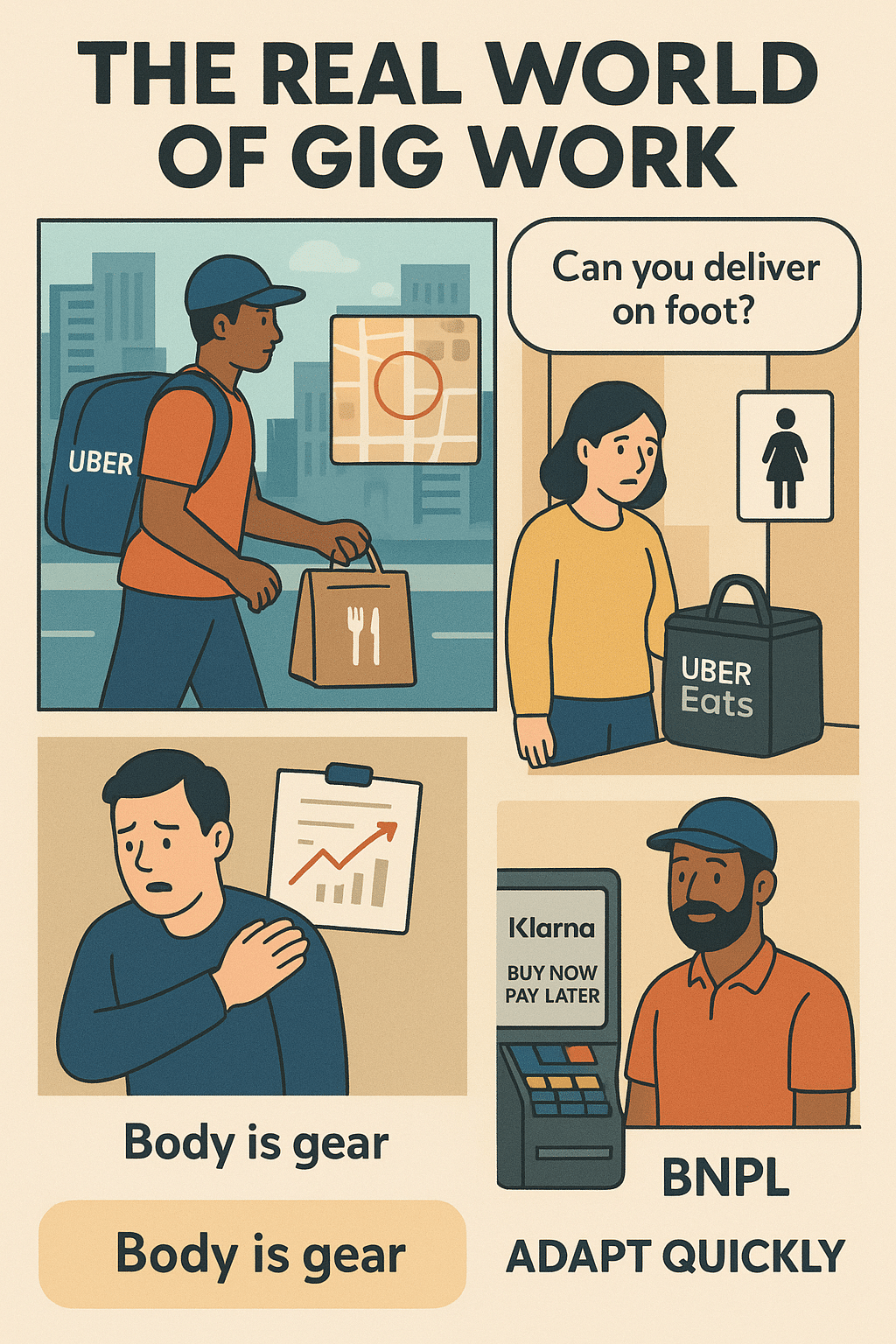
The real world of gig work rarely fits a neat script, and this episode shows why. We open with a year-end mashup and an eyebrow-raising question: can you deliver on foot? In Tokyo, yes—Uber Walker is a thing—but that doesn’t translate to most U.S. markets. The hosts weigh the viability of hyper-dense delivery zones, where a four-block radius makes walking feasible, and contrast it with sprawling American cities. The takeaway is simple: logistics live and die by density. If the map is tight, walking can be fast and profitable; if it’s wide, you’re burning minutes for pennies. That nuance matters for new drivers who confuse platform rules, local demand, and what “works” on paper versus the street.
From there the conversation turns to a moment every customer fears: the delivery bag entering the bathroom. It’s not just gross; it’s an avoidable mistake that erodes trust in the entire delivery chain. The hosts push basic food safety: never bring an insulated bag into a restroom, keep separation between personal needs and customer goods, and choose pickups that let you wash hands properly. They also mention how indoor pickups beat drive-thrus when you need a restroom and a reset. It’s a practical snapshot of the hygiene calculus gig workers face, underscoring that speed shouldn’t trump sanitation. In a trust-based service, small lapses can ripple into big reputational damage—online and at the door.
Life bleeds into work, and the hosts share a rough stretch of illness and a painful bout of frozen shoulder. It’s an unglamorous reminder that gig workers are their own HR, PTO, and backup plan. A steroid shot and PT might avert surgery, but the downtime is real. The conversation nudges a larger point: build cushions. That means an emergency fund, ergonomic habits (seat positioning, lifting technique, bag straps), and realistic schedules that allow recovery. The body is gear, and ignoring maintenance costs more than lost hours. Even a small tweak—choosing shorter routes, more indoor pickups, or less heavy grocery runs—can keep someone on the road without a long layoff.
There’s levity too: a defense of bidets as the logical hygiene upgrade that Americans chronically ignore. It’s comic relief with a practical edge—washing beats wiping for cleanliness and comfort. Funny as it sounds, these habits impact driver morale on long shifts and shape which locations they prefer. The more a driver can count on clean facilities and good tools, the better the customer experience. A rested, comfortable driver is a safer driver, and that cascades into fewer errors, less cross-contamination, and a more predictable rhythm during peak times.
Then comes a time capsule: a vintage clip of Travis stumbling through an early Uber Eats explanation, implying food rides around waiting to be ordered. The hosts debate whether it was a bit or a blunder, but the real insight is how easily messaging can miss when a product is half-formed. Logistics need clarity: who cooks, who packs, who carries, and when the clock starts. Precision builds trust for restaurants, drivers, and diners. Confused pitches yield unrealistic expectations—like on-demand casseroles magically appearing from a glove box. This is a masterclass in why platform language matters, especially when it governs how workers plan and customers judge wait times.
Finally, they break down DoorDash’s partnership with Klarna for buy-now-pay-later at checkout. Drivers worry about tips; hosts argue volume may rise if customers can split payments interest-free. The nuance: BNPL probably helps large grocery baskets more than small fast-food orders, and it may skew tips downward on tight budgets. Still, more orders can lift driver earnings in aggregate, if platforms surface tip prompts and reward on-time, high-rated deliveries. The conversation lands on a pragmatic middle: BNPL is a tool. Used wisely, it eases cash flow and grows demand; used poorly, it invites overconsumption and delayed regret. For drivers, the best move is to adapt quickly—screen orders by payout, watch new patterns in your zone, and chase the baskets where financing actually increases payouts.