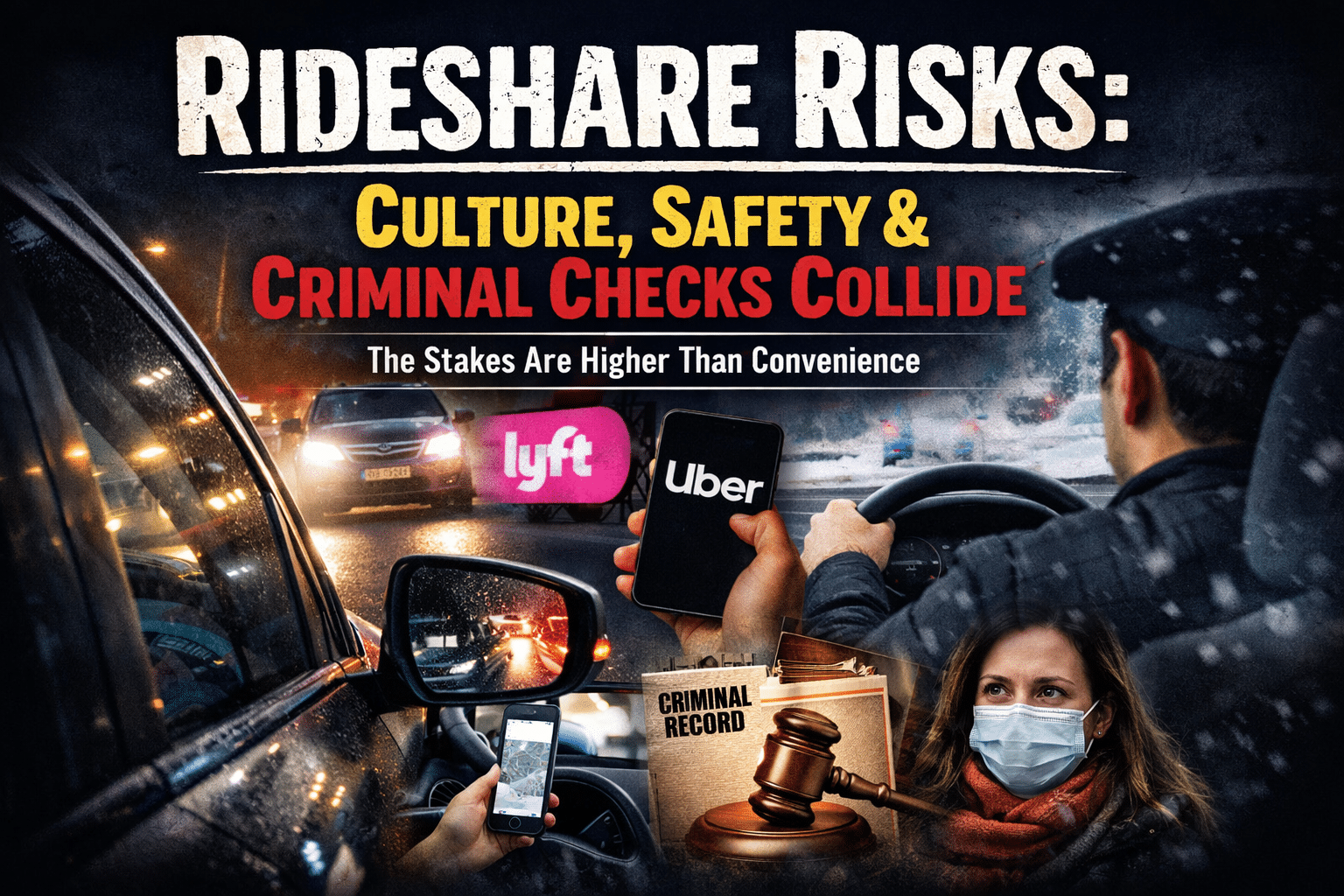
The gig economy keeps moving, and this week’s conversation shows how culture, safety, and tech collide on every ride. We start with real stories from a long night out: a fast-driving Uber with heavy tailgating, a mask that muffled key instructions, and a Lyft driver with fewer than 200 rides who sped through snow, lacked a phone mount, and nearly missed turns. The takeaway is simple and urgent: micro choices create macro risk. We talk about what ratings signal, why reporting matters, and how quickly the platforms respond when a trip feels wrong. Even small steps like buckling up, verifying plates, and insisting on a phone mount can lower the chance of a bad outcome.
From there we move to the biggest safety headline: background checks that let violent offenders drive and the staggering cadence of sexual misconduct reports at Uber, averaging one every eight minutes between 2017 and 2022. We challenge the seven-year lookback window and argue for lifetime bans on sexual offenses and violent felonies while allowing nuanced paths back for non-violent records older than 15–20 years. Rehabilitation can be real, but the bar for trust in a stranger’s car must be higher than convenience. Clear timelines, transparent criteria, and faster action on credible complaints are reforms that protect both riders and responsible drivers.
Tech ambitions bring a different layer: Uber’s $100 million investment in fast charging with partners like EVgo and Ionity, aiming at 1,000 DC stations across the US and Europe. It’s a practical move if autonomy and electrification are the future, but we weigh the economics that drivers face now. Public fast charging prices often cancel fuel savings, tilting the value toward home charging or hybrids. Hybrids remain the quiet winner for many markets: lower total cost, simpler logistics, and less downtime. We also note the cultural shift of autonomous fleets getting assertive in traffic, raising questions about fairness, yield behavior, and how robots should “negotiate” crowded streets.
We love experiments that create new income paths, and the Crew Home app caught our eye. It connects short-term rentals with gig workers who wheel trash to the curb on the right day, turning a simple chore into route-based earnings. The model only works if tasks cluster tightly, payouts are transparent, and support is responsive. We also spotlight Life360’s integration with Uber, a smart play for teen rides, real-time updates, and family oversight. Good telemetry—location, speed, ETA—makes rides feel safer, especially when paired with strong boundaries and a camera in the car.
Culture is still culture, and we laugh through moments like a Keurig in the backseat and “Spark notes” from Walmart customers that range from helpful to hazardous. But we end on DoorDash’s serious momentum: leading flower delivery volume on key holidays, expanding retail partners, and turning impulse purchases into one-hour fulfillment. Convenience is winning, and platforms that stitch groceries, retail, and local shops into a single tap are grabbing share. The bigger question is how to balance speed with safety and cost. For drivers, that means stacking apps, filtering orders, and protecting your time. For riders, it’s tipping fairly, checking the car, and holding companies to the standards they promise.