Gig work looks simple from the outside: open an app, take requests, get paid. The reality is a constant tug of war between flexibility and the fine print that changes without warning. We talk through what that feels like week to week, from chasing Lyft bonuses and remembering to check ride quests, to the surprise of an FTC settlement check showing up in the mail. These moments highlight a core gig economy truth: driver pay is not just about miles and minutes, it is also about attention, timing, and knowing where money might be hiding in your notifications, promotions, or old disputes.
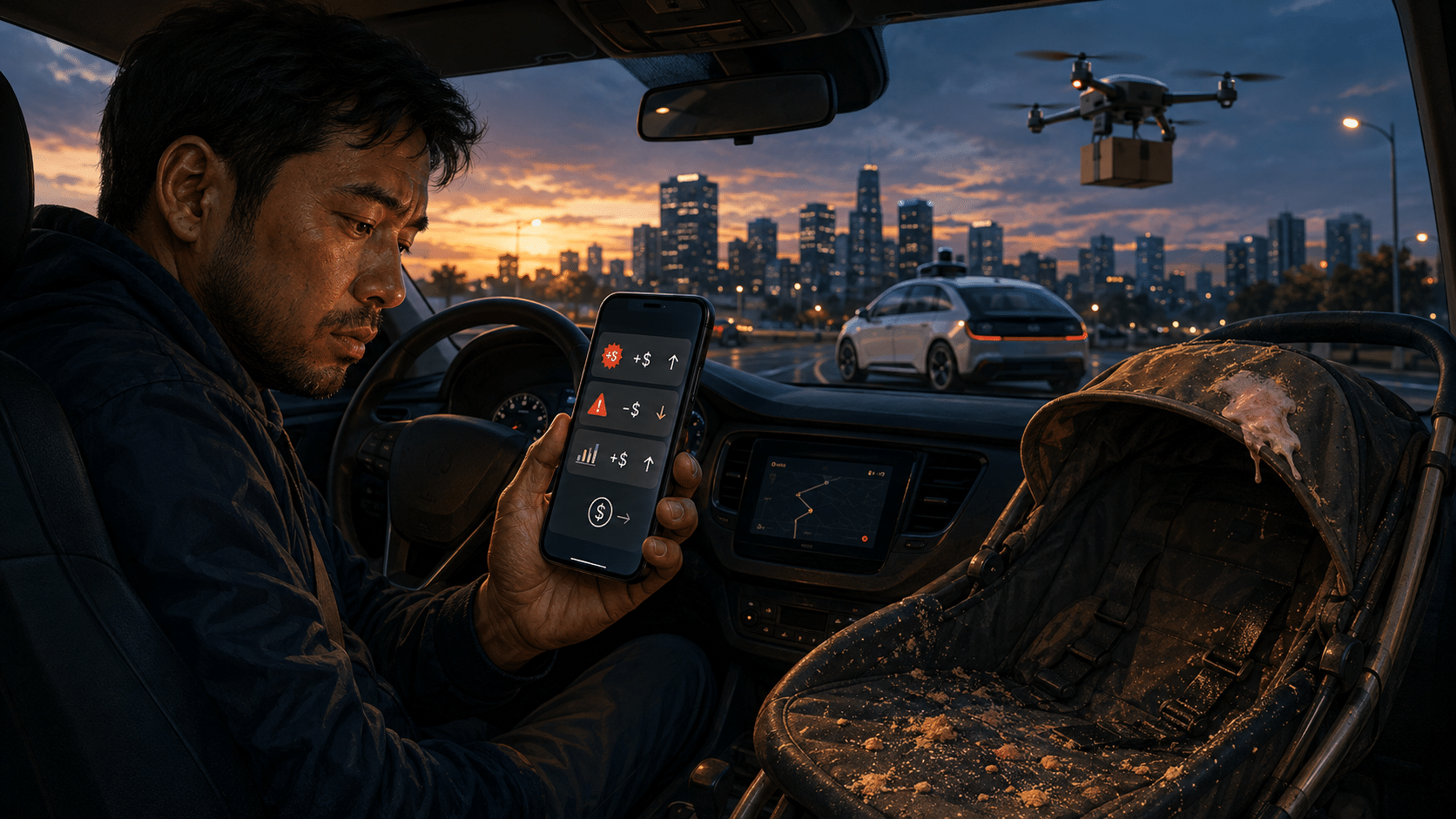
One of the biggest under discussed costs in side hustles is quality control when you are the “business.” A BabyQuip rental stroller return shows it perfectly: a nearly new item comes back with sand, crumbs, and visible ice cream stains because renters often treat gear like it is disposable. Unless there is vomit, urine, feces, or smoke, you may have no real cleaning fee option, even when the cleanup eats your time and shortens the life of your inventory. If you are building a rental based gig, this is your reminder to inspect every return immediately, document condition with photos, and price your operation to include cleaning, sanitising, and inevitable wear.
Platform policy shifts also keep stacking up. Uber’s instant pay fee increase to $1.75 is small on paper, but it hits hardest for drivers who live ride to ride and cash out for fuel or groceries. We also dig into Uber’s reported exploration of a “tween rides” feature for ages 10 to 12, which raises safety, liability, and pickup drop off verification concerns that many drivers want to opt out of. On the delivery side, Australia’s Fair Work Commission standards point to another model: a minimum engaged hour floor with top ups over a review window, plus injury insurance and clearer dispute procedures. Even if you do not want a W-2 job, basics like appeals, representation, and transparent pay calculations matter.
Tech is pushing the gig economy into a new phase. Uber partnering with Zipline signals serious intent around drone delivery and “quick commerce,” while viral clips of drone drops into water show how messy the last mile can be. At the same time, Waymo robotaxis are already taking a meaningful share of ride spending in service areas, and that share may grow as riders choose fewer human interactions. For rideshare drivers, delivery drivers, and Amazon Flex workers watching these trends, the playbook is diversification: know your promos, protect your margins, consider what work you can turn off, and keep building skills and income streams that do not depend on one app’s next update.