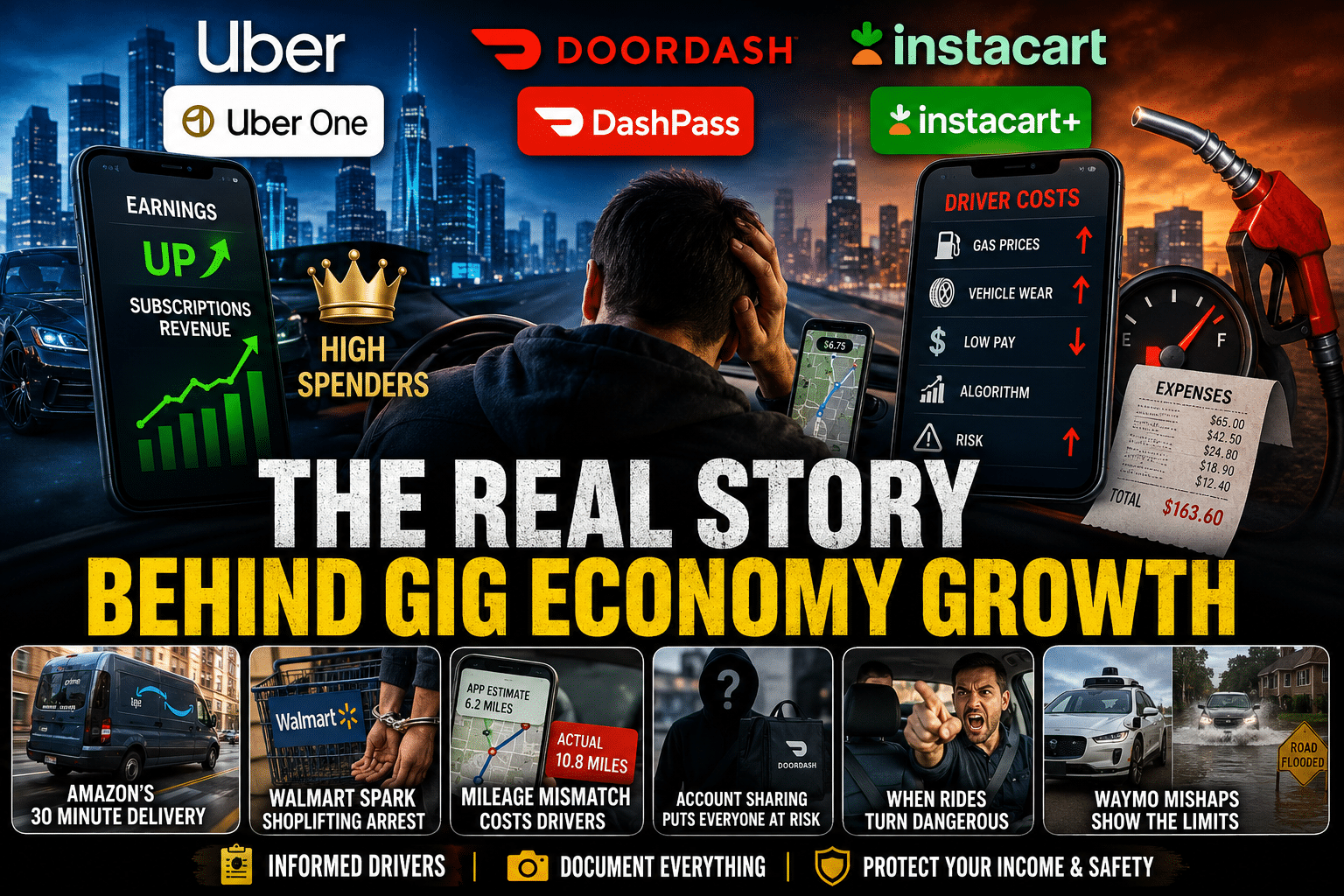
Gig economy news can feel slow until you zoom out and see the pattern: platforms are building predictable revenue while drivers absorb unpredictable costs. Uber, DoorDash, and Instacart beating quarterly earnings during inflation isn’t magic, it’s strategy. Subscription programs like Uber One and DashPass lock in repeat customers, push higher order frequency, and reward “big spenders” who order rides and food without flinching at fees. For drivers, the upside is more demand, but the pressure stays real: gas prices, algorithmic dispatch, and pay that can feel detached from actual operating costs. The key takeaway is that gig apps are increasingly optimizing for affluent customers while the workforce fights for consistency and transparency.
That same push shows up in speed and convenience wars. Amazon rolling out 30 minute delivery across major cities is not just about snacks, it’s about owning last mile expectations and training customers to pay extra for “right now.” The pricing tiers for Prime members versus non members look a lot like gig app subscription logic, and even the conversation about tipping reveals how delivery is being normalized across categories, not just restaurant food. When consumers compare a $4 rapid drop to the total cost of driving, parking, and time, convenience wins, especially for higher income households. For independent contractors, this shift matters because it increases volume but also raises the standard for flawless execution, even when weather, access issues, or GPS errors make perfection impossible.
On the driver side, risk shows up as both ethics and math. The Walmart Spark shoplifting arrest is an extreme example of what happens when someone tries to game self checkout, but it highlights a broader truth: platforms track more than many drivers assume, and deactivation is often permanent. The mileage mismatch complaint hits closer to daily reality. If an app estimate is based on a straight line or a simplified route, a “good” offer can turn into a money loser fast, especially with high fuel costs. Drivers need to screenshot offers, track real miles, and push back through support and public channels when numbers don’t line up. Accurate mileage estimates are not a luxury, they are the foundation of fair gig work.
Safety and trust are the other thread tying the episode together. Account sharing and identity fraud on DoorDash and other delivery apps undermines background checks and puts customers and legitimate drivers at risk. Even if most mismatched profile deliveries are harmless, the small percentage that aren’t can be catastrophic, which is why reporting matters. The rideshare clip where a pickup spirals into insults and threats is a reminder that conflict management starts before anyone enters the car: keep doors locked, avoid debates, cancel and leave when something feels off. These small habits protect your ratings, your safety, and your ability to keep earning.
Automation doesn’t remove messy reality either. The Waymo puke moment is almost comedic until you remember what vomit does to paint and how quickly a vehicle can be taken out of service. Then there’s the Waymo flood recall, which gets at a hard technical problem: judging water depth and road safety is difficult even for humans. Robotaxis, delivery apps, and rental car handoff programs like Uber’s Avis pilot all point to the same future: more logistics, more automation, and more edge cases. The best move for gig workers is to stay informed, document everything, and treat each new “feature” as a change in who carries the cost when things go wrong.